
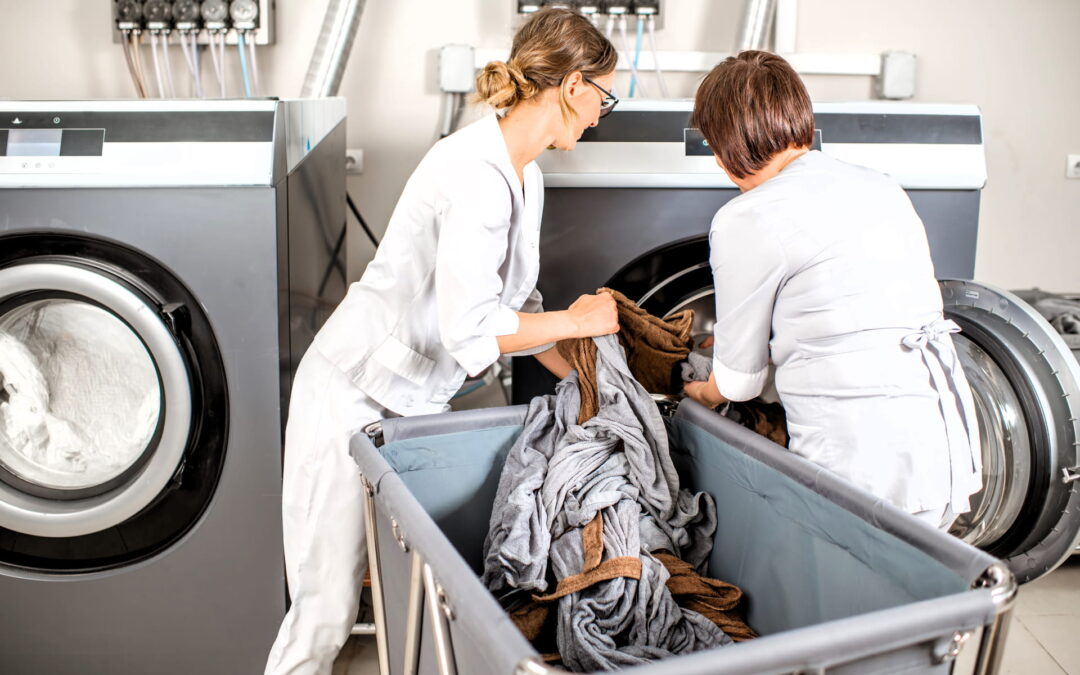
In the competitive landscape of commercial laundry services, efficiency isn’t just a buzzword, it’s the cornerstone of profitability and customer satisfaction. Achieving peak efficiency requires a blend of the right equipment, smart practices, and a commitment to continuous improvement. This guide delves into the strategies that can transform your laundry operations, with a special focus on the pivotal role of a commercial laundry supplier.
Laundry Efficiency
Efficiency in commercial laundry operations goes beyond just washing and drying clothes quickly. It encompasses everything from how much water and energy are consumed per load to the overall throughput of your operations. An efficient laundry operation can significantly reduce operational costs while boosting service quality.
- Efficient laundries use up to 50% less water and energy.
- High-efficiency machines can cut down drying time, reducing energy consumption.
- Streamlined operations ensure a faster turnaround, enhancing customer satisfaction.
Assessing Your Current Operations
The first step toward improving efficiency is a thorough assessment of your current laundry operations. Look at your utility bills, listen to customer feedback, and observe the workflow on a busy day. This will help you identify areas where improvements can be made.
- Track metrics like water and energy use per load.
- Evaluate the effectiveness of your current workflow and layout.
- Gather feedback from staff and customers to identify pain points.
Optimizing Machine Performance
The heart of any commercial laundry operation is its machines. High-efficiency models from reputable suppliers not only use less water and energy but also handle larger loads and reduce wear on textiles. Regular maintenance is crucial to keep them running smoothly.
- Partner with suppliers known for their durable and efficient machines.
- Schedule regular maintenance to prevent downtime.
- Upgrade to high-efficiency models to see immediate savings and performance improvements.
Smart Laundry Practices
Adopting smart laundry practices can significantly impact your operation’s efficiency. This includes everything from how you sort laundry before washing to the detergents you use. Training your staff in these practices is equally important.
- Sort laundry not just by color but by type and soil level.
- Use high-quality detergents and energy-efficient washing programs.
- Train staff on the most efficient loading and unloading techniques.
Water and Energy Conservation
Water and energy conservation can help laundry businesses lower utility use while keeping daily production steady. Modern commercial laundry equipment can reduce waste by using better controls, improved extraction, and wash settings that match load size. ENERGY STAR explains that certified commercial clothes washers use about 45 percent less water than standard models. Regular leak checks, insulated hot water pipes, and heat recovery systems can also help laundry operations reduce avoidable utility loss.
- Choose machines with water-saving controls and load-matching settings.
- Check for leaks and insulate hot water pipes to reduce wasted energy.
- Use heat recovery systems when they fit the facility and workload.
Using Technology for Better Laundry Operations
Technology can help laundry operations track equipment use, reduce manual guesswork, and spot maintenance needs before they interrupt production. Automation, sensor systems, and monitoring tools can support sorting, folding, cycle tracking, and equipment alerts. The National Institute of Standards and Technology provides research and guidance on artificial intelligence, including tools that support measurement, trust, and system performance. Commercial laundry teams can use technology carefully to improve visibility, plan repairs, and reduce process delays.
- Use automation where sorting, folding, or load handling creates slowdowns.
- Use monitoring tools to track machine performance and service alerts.
- Review equipment data to find maintenance patterns and workflow delays.
Streamlining Workflow and Processes
A smoother laundry workflow starts with a layout that reduces extra walking, lifting, sorting confusion, and repeated handling. Washers, dryers, folding stations, storage areas, carts, and chemical stations should be arranged so laundry moves in a clear path from intake to completion. Better workflow planning can help staff move laundry faster while reducing strain during busy shifts.
- Place equipment to reduce travel distance between laundry stations.
- Create a consistent process for sorting, washing, drying, folding, and storage.
- Review workflow regularly when volume, staffing, or service needs change.
Maintenance for Stronger Machine Performance
Maintenance helps commercial laundry equipment run more consistently and reduces the chance of unexpected downtime. Washers, dryers, vents, hoses, belts, filters, and controls need regular checks so small issues do not become major service problems. The U.S. Department of Energy explains that appliance operation and maintenance can affect energy use. A clear maintenance schedule, trained staff, and support from a commercial laundry supplier can help protect equipment performance over time.
- Create a maintenance schedule based on manufacturer recommendations.
- Train staff to notice leaks, unusual sounds, slow drying, or warning lights.
- Work with a commercial laundry supplier for service support when needed.
Upgrading Your Laundry Equipment
Upgrading laundry equipment can help businesses improve capacity, reduce utility waste, and prepare for higher laundry volume. Older machines may use more water or energy than newer models, especially when they lack improved controls or better extraction. The Department of Energy appliance and equipment standards program sets conservation standards for covered products and equipment. Comparing long-term operating costs, repair needs, capacity, and utility use can help businesses choose commercial laundry equipment that fits current and future demand.
- Compare operating costs instead of focusing only on purchase price.
- Review water use, energy use, capacity, and service access before upgrading.
- Choose equipment that matches the facility’s growth plans and laundry volume.
Implementing Sustainable Practices
Sustainable laundry practices can reduce waste, support safer handling, and help businesses manage utility use more carefully. Detergent selection, water temperature, load sizing, recycling, and responsible waste management all affect how laundry operations use resources. The EPA Safer Choice program helps consumers and businesses identify products with safer chemical ingredients. Laundry facilities can pair better equipment with safer cleaning products and stronger waste habits to support cleaner daily operations.
- Choose cleaning products that fit fabric needs and safety requirements.
- Recycle packaging and manage waste from laundry supplies responsibly.
- Train staff on load sizing, chemical handling, and water-conscious practices.
Monitoring and Adjusting for Ongoing Improvement
Monitoring helps laundry businesses understand what is working, what is slowing production, and where resources may be wasted. Managers can track water use, energy use, machine downtime, load volume, drying time, maintenance needs, and staff workflow to make better decisions. The U.S. Department of Energy explains that metering energy use can help identify savings opportunities and support better energy management. Regular review helps laundry operations adjust equipment use, maintenance timing, and workflow before small issues grow.
- Track performance data to identify changes in cost, output, and machine use.
- Adjust schedules and processes when patterns show delays or waste.
- Encourage staff to report issues that affect quality, timing, or safety.
Improving Commercial Laundry Operations
Improving commercial laundry operations takes more than buying newer machines. Strong results come from matching equipment to workload, conserving water and energy, training staff, planning workflow, using technology carefully, and maintaining machines before breakdowns disrupt the day. A commercial laundry supplier can help businesses compare equipment, review layouts, and plan future upgrades with real operating needs in mind. When these pieces work together, laundry operations can become cleaner, steadier, and easier to manage.
- Commercial laundry equipment should match workload, space, and utility capacity.
- Maintenance and monitoring help reduce avoidable downtime.
- Better workflow can reduce wasted movement and improve daily output.
Key Takeaways for Enhancing Laundry Efficiency
- Efficiency is crucial for reducing operational costs and improving customer satisfaction.
- Regular maintenance and upgrading to high-efficiency equipment are essential.
- Smart practices, technology, and sustainability are key drivers of efficiency.
Frequently Asked Questions
Q: How often should I upgrade my laundry equipment?
A: Consider upgrading every 5-10 years or when significant advancements in technology offer clear benefits in efficiency and cost savings.
Q: Can small changes really make a difference in efficiency?
A: Absolutely. Even small adjustments, like fixing leaks or training staff on efficient practices, can lead to noticeable improvements over time.
Q: How do I know if my laundry operation is efficient?
A: Compare your operation’s water and energy usage against industry benchmarks, and consider customer feedback and turnaround times as indicators of efficiency.
Q: What’s the first step towards improving laundry efficiency?
A: Conduct a thorough assessment of your current operations, including equipment, processes, and utility usage, to identify areas for improvement.
Q: Where can I find technology solutions for my laundry business?
A: Start by consulting with your commercial laundry supplier about the latest equipment and technology solutions designed to improve efficiency.
- About the Author
- Latest Posts

With a track record dating back to 1983, ITEC Corp specializes in providing comprehensive laundry solutions, including equipment, chemicals, and parts. Our dedicated team offers free laundry analysis and carries industry-leading brands to help clients enhance productivity and reduce operational costs.