
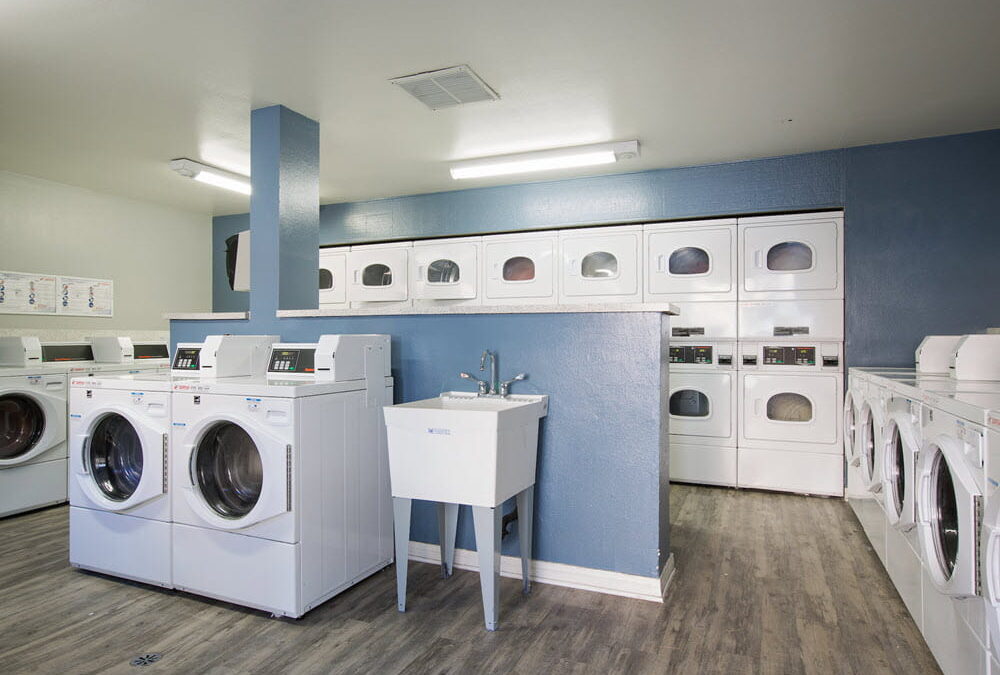
Choosing a commercial laundry equipment supplier can shape how smoothly a multi-housing property handles resident laundry needs. A strong supplier relationship should cover machine selection, room setup, repairs, payment access, contract terms, and long-term service support. This guide explains how property managers can evaluate a commercial laundry equipment supplier before signing a new agreement or replacing an existing provider. Better planning can help residents avoid broken machines, payment frustration, long service delays, and laundry room confusion.
- Resident access should guide laundry room planning.
- Service response should be clear before a contract is signed.
- Payment options, equipment costs, and contract terms should be reviewed together.
Commercial Laundry Equipment Supplier Selection
Commercial laundry equipment supplier selection should begin with the daily experience of the people using the machines. A common example is an apartment building where residents complain about machines being out of service, payment systems failing, or dryers taking too long, and the property manager realizes the problem is not just the equipment but the provider behind it. The U.S. Department of Energy explains that appliance operation and maintenance can affect energy use. That fact matters because a laundry room is not only a resident amenity, it is also a working system that needs care, planning, and support.
- Review resident complaints before changing providers.
- Compare repair response, equipment age, and machine performance.
- Ask how the supplier handles service requests from residents and staff.
1. Laundry Space Setup
Laundry space setup should be reviewed before washers and dryers are installed. Plumbing, electrical service, drainage, venting, lighting, flooring, and room layout can all affect how well the space works for residents and maintenance teams. A commercial laundry equipment supplier can help property managers plan machine placement, cart space, folding areas, and backup access during repairs or construction.
- Check plumbing, electrical systems, venting, and drainage before installation.
- Leave enough room for residents to load, fold, and move laundry safely.
- Plan temporary access if the laundry room needs repair or renovation.
2. Maintenance and Service Support
Maintenance and service support can make or break the relationship between a property and a commercial laundry equipment supplier. Residents notice quickly when machines stay broken, card readers fail, or dryers stop heating during busy weekends. The OSHA lockout/tagout standard covers the control of hazardous energy during machine service and maintenance. Property managers should ask how repairs are requested, how fast service is handled, and whether residents can report machine issues directly.
- Ask for written repair response expectations.
- Confirm how residents and staff submit service requests.
- Review how the supplier handles recurring machine problems.
3. Payment Options for Residents
Payment options affect convenience, revenue tracking, and resident satisfaction. Coin-operated machines still exist, but many properties now review card readers, mobile apps, and digital payment tools because residents may not want to carry quarters or reload cards in person. A commercial laundry equipment supplier should explain payment fees, reporting tools, refund handling, and backup plans when a system goes down.
- Compare coin, card, app, and hybrid payment systems.
- Ask how payment issues and refunds are handled.
- Review reporting tools for revenue, machine use, and resident activity.
4. Equipment and Operating Costs
Equipment and operating costs should include more than the monthly price. Property managers should review installation, water use, energy use, maintenance, leasing terms, purchase options, payment technology, parts access, and future replacement needs. ENERGY STAR reports that certified commercial clothes washers use about 45 percent less water than standard models. A commercial laundry equipment supplier can help compare long-term costs so a property does not choose machines based only on a lower upfront number.
- Compare leasing and purchasing before signing an agreement.
- Review water use, energy use, and maintenance costs.
- Ask whether payment technology, installation, and service are included.

5. Commercial-Grade Machines Matter
Commercial-grade machines are built for heavier use than typical residential washers and dryers. Multi-housing laundry rooms may serve dozens or hundreds of residents, and that repeated use can wear down machines that were not built for shared property demand. The Department of Energy appliance and equipment standards program sets conservation standards for many covered products and equipment categories. A commercial laundry equipment supplier should explain capacity, cycle options, service access, warranty coverage, and why a specific machine fits the property’s resident count.
- Choose machines that match resident volume and laundry room use.
- Review washer capacity, dryer performance, and service access.
- Ask how equipment handles frequent use in shared residential settings.
6. Contract Terms and Warning Signs
Contract terms should be clear, fair, and easy for property managers to understand before the agreement begins. Hidden fees, unclear maintenance charges, vague revenue shares, automatic increases, and confusing service language can create problems later. The Consumer Financial Protection Bureau provides consumer education tools that support better review of financial terms and agreements. A commercial laundry equipment supplier should be willing to explain pricing, ownership, service duties, payment processing, cancellation terms, and repair responsibilities in plain language.
- Review fees for service, administration, upgrades, and early cancellation.
- Ask how revenue share and price changes are calculated.
- Get service duties and repair expectations in writing.
7. Resident Feedback and Long-Term Planning
Resident feedback can reveal laundry room problems that reports and invoices miss. Property managers may learn that machines are often full, dryers run too long, payment screens are confusing, or the room feels crowded during peak hours. The U.S. Census Bureau American Housing Survey collects national data on housing features and conditions. That broader housing focus is a useful reminder that shared amenities, including laundry access, affect how people experience a property.
- Ask residents about machine access, payment tools, and repair response.
- Track busy laundry times before adding or replacing equipment.
- Review laundry room performance before lease renewal seasons.
Making a Smarter Laundry Provider Decision
A commercial laundry equipment supplier should help a multi-housing property run laundry service with fewer resident complaints and fewer surprises for management. The strongest choice is usually the provider that understands room setup, service timing, payment systems, contract language, machine capacity, and long-term operating needs. Property managers should compare more than machines because support, communication, and repair response affect the laundry room every week. A thoughtful decision can help keep residents satisfied while giving ownership a clearer picture of costs, service expectations, and future upgrades.
- Match laundry equipment to resident count and room layout.
- Review service support before committing to a provider.
- Compare total operating costs, not only machine price.

Key Takeaways for Choosing a Commercial Laundry Equipment Supplier
Choosing a commercial laundry equipment supplier takes careful review of resident needs, equipment type, service terms, payment access, and long-term support. Property managers should inspect the laundry space, gather resident feedback, compare repair response, and review contract language before signing. A supplier should be able to explain machine capacity, maintenance, digital payment options, and whether leasing or purchasing makes more sense for the property. Better planning helps multi-housing communities keep laundry rooms cleaner, easier to use, and less stressful for residents.
- A commercial laundry equipment supplier should offer clear service support and repair communication.
- Laundry room setup should account for plumbing, electrical systems, venting, and resident access.
- Digital payment options can reduce coin collection issues and improve tracking.
- Commercial-grade machines are better suited for shared property laundry demand.
- Contracts should be reviewed for hidden fees, unclear service terms, and confusing revenue language.
FAQ
Why should property managers compare laundry suppliers?
Property managers should compare suppliers because equipment, service response, payment tools, contract terms, and repair support can vary widely. A careful review helps reduce resident complaints and protects the property from unclear costs.
What should be checked before installing commercial laundry equipment?
Plumbing, electrical systems, drainage, venting, flooring, lighting, and room layout should be reviewed before installation. These details affect machine performance, resident comfort, and service access.
Are digital payment systems useful for apartment laundry rooms?
Digital payment systems can make laundry easier for residents who do not want to carry coins. They can also help property managers track usage and revenue with less manual collection.
Should a property lease or purchase laundry machines?
Leasing may reduce upfront cost and include service support, while purchasing may offer more control over long-term revenue and equipment choices. The better option depends on budget, resident volume, maintenance plans, and contract terms.
What contract details should be reviewed before signing?
Property managers should review maintenance duties, hidden fees, revenue splits, price increases, cancellation rules, equipment ownership, and service response times. Clear terms make future problems easier to resolve.
- About the Author
- Latest Posts

With a track record dating back to 1983, ITEC Corp specializes in providing comprehensive laundry solutions, including equipment, chemicals, and parts. Our dedicated team offers free laundry analysis and carries industry-leading brands to help clients enhance productivity and reduce operational costs.